Your B2B Demand Generation Problem Isn't Strategy. It's Systems.
Your B2B Demand Generation Problem Isn't Strategy. It's Systems.
Most B2B companies don't have a demand generation strategy problem. They have a systems problem. The difference is worth understanding before you hire another agency.
Fractional Demand Team
Here's a pattern I've seen at probably 30 companies now.
The marketing team has a strategy. They can describe it. Awareness, consideration, intent, conversion. They have slides about it. They've read the Chris Walker posts. They understand, conceptually, that demand gen and lead gen are not the same thing.
And yet pipeline is thin. The CEO is asking questions. The CRO is skeptical of anything marketing touches. And the team is working hard without actually knowing what's working.
The problem isn't the strategy. I've seen smart people with good instincts fail at this. The problem is that they have a strategy without a system to run it.
There's a meaningful difference. And until you see it clearly, you'll keep mistaking activity for output.
Demand Generation Is a Systems Problem
Think of it this way.
A demand gen strategy is a document that says: "We'll use LinkedIn for awareness, targeted outbound for consideration, and paid search for intent." Fine. That's reasonable. A lot of companies have a version of this.
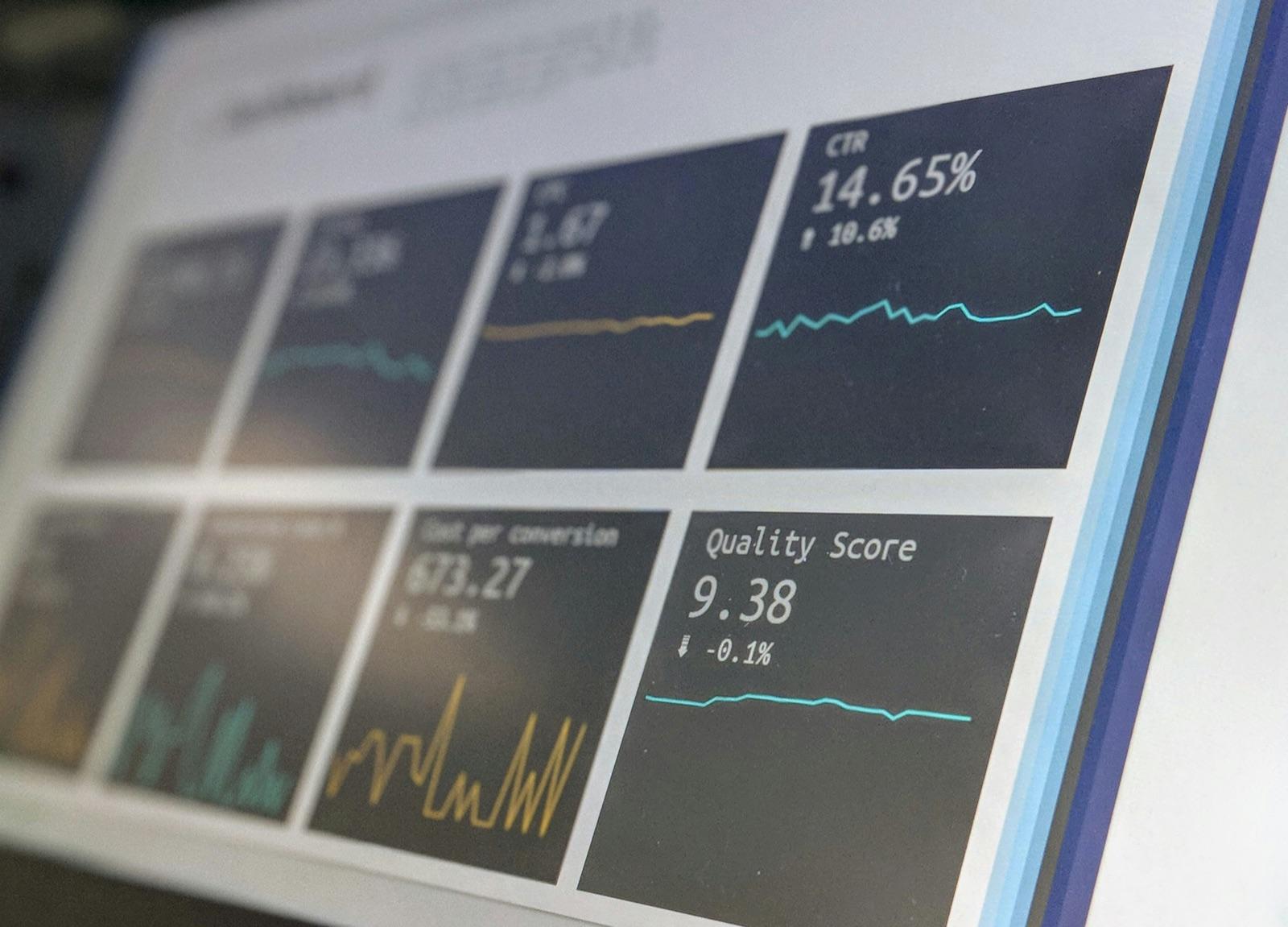
A demand gen system is the machinery that runs that strategy 24/7 without requiring a person to manually orchestrate every piece. It's the paid media account that's structured right. The HubSpot instance where every form, sequence, and lead source is tagged correctly. The Clay workflow that enriches new contacts before they hit a rep's inbox. The dashboard that tells you, in plain numbers, what's working.
The strategy tells you where to fish. The system is the rod, the line, the bait, the tracking: all already in the water.
Most B2B companies at Series A/B have the strategy. Very few have the system. That's why they keep getting inconsistent results from consistent activity.
What the System Actually Looks Like
Here's how I'd describe a minimal viable demand gen system for a B2B SaaS company doing $3M–$15M ARR:
Layer 1: Paid Media (creates awareness and intent)
LinkedIn ads targeting your ICP by job title, company size, and seniority. Not lead gen forms. Think thought leadership ads and direct-to-site campaigns that reach buyers who aren't searching for you yet. Meta retargeting for people who've visited the site. Google for the 5–10 high-intent keywords where someone is actively searching for what you do.
The ad account needs to be structured so you can see cost per opportunity, not just cost per click. That's a build decision, not a reporting decision, and most accounts aren't structured that way.
Layer 2: GTM Infrastructure (captures and routes demand)
This is the layer most companies skip. You can run perfect campaigns and still lose if the plumbing is broken.
HubSpot (or your CRM of choice) needs to be set up so every lead has a clear source, a score, and a sequence it should enter. Lead enrichment should happen automatically (job title, company size, tech stack, intent signals) before anyone on sales has to touch it. Routing rules need to actually work: the right rep gets the right lead in under five minutes.
We use Clay for the enrichment layer. A properly built Clay workflow can pull firmographic data, check LinkedIn, score against your ICP definition, and push a clean, enriched contact into HubSpot without a human involved. That's not a luxury at this point. That's table stakes.
Layer 3: Attribution (closes the feedback loop)
Here's the thing about attribution: nobody's solved it perfectly, but "we don't know what's working" is not an acceptable permanent state. You need a working attribution model (even a simple one) that ties marketing activity to pipeline.
Start with first-touch and last-touch in HubSpot. Layer on UTM hygiene so your source data is actually trustworthy. Then build a simple reporting view that shows pipeline by source, by quarter. You don't need a $50k attribution tool. You need clean data and a dashboard someone actually opens.
Why Most B2B Companies Have Strategy Without Systems
The honest answer: it's how agencies and consultants are set up to sell.
The strategy deck is easy to deliver. Ninety slides about market positioning, ICP definition, and a content calendar for Q3. The client gets it in four weeks. Everyone feels like progress happened.
The system is harder. It requires getting into the actual HubSpot configuration, the actual ad accounts, the actual CRM workflows. It requires understanding what's broken before you can fix it. It takes longer to show results in a format that looks like a slide. So it gets deprioritized.
Junior demand gen hires have a version of this problem too. I'm not being harsh about that. It's structural. A 26-year-old demand gen coordinator who's been in the role for 18 months usually doesn't have the experience to architect the GTM infrastructure from scratch. They can execute against a system. Building it is a different skill set.
So you end up with smart people executing strategy against broken systems. And the results are predictably inconsistent.
What to Build First (Practical Sequence)
If I were starting from scratch at a Series A SaaS company right now, here's the sequence I'd follow:
Month 1: Audit and clean the foundation.
Before spending a dollar on paid media, I'd want to know: is HubSpot tracking leads correctly? Are sources tagged? Is the conversion event being captured? What does the current pipeline look like by source?
If the foundation is broken, every dollar you spend will be measured against broken data. Fix the tracking first.
Month 2: Build the enrichment and routing layer.
Wire up Clay (or Apollo, or whatever enrichment stack makes sense for your data). Make sure every new contact gets enriched and scored automatically. Get routing rules to a place where sales can actually trust the process.
Month 3: Launch paid media with the right structure.
With clean tracking and solid routing, now paid media actually works. Not because you found a magic audience. Because you can see what's converting and you can close the loop.
Months 4+: Test and layer.
Add channels. Test creative. Expand audiences. Build retargeting. Each layer builds on a foundation you can actually see.
I know the temptation is to launch campaigns in Month 1. The team's excited, the CEO wants to see activity. I get it. But if you're going to spend $10k a month on paid media, you want to know if it's working. And you can't know if it's working if the tracking layer is a mess.
The Tell
Here's a quick diagnostic. Ask your marketing team: "If I asked you tomorrow morning what we spent on paid media last quarter and how much pipeline it generated, could you tell me by end of day?"
If the answer is yes, you probably have some version of a system. If the answer is "it would take us a week," or "we'd have to pull it from a bunch of different places," or "our attribution isn't really set up for that": you have a strategy without a system.
The fix isn't another strategy session. It's the unsexy infrastructure work that makes the strategy actually run.
That's the work. It's not glamorous. But it's the thing that makes demand generation actually generate demand.